The BSG is comprised of ~250 members representing 61 of 66 bear range countries (plus a few countries with no bears or just transients). We include professional biologists and conservationists from governments, non-governmental organizations (NGOs), universities, museums, zoos and other captive facilities. We are not an advocacy or animal welfare organization, although we may advocate on occasion and we are concerned for animal welfare.
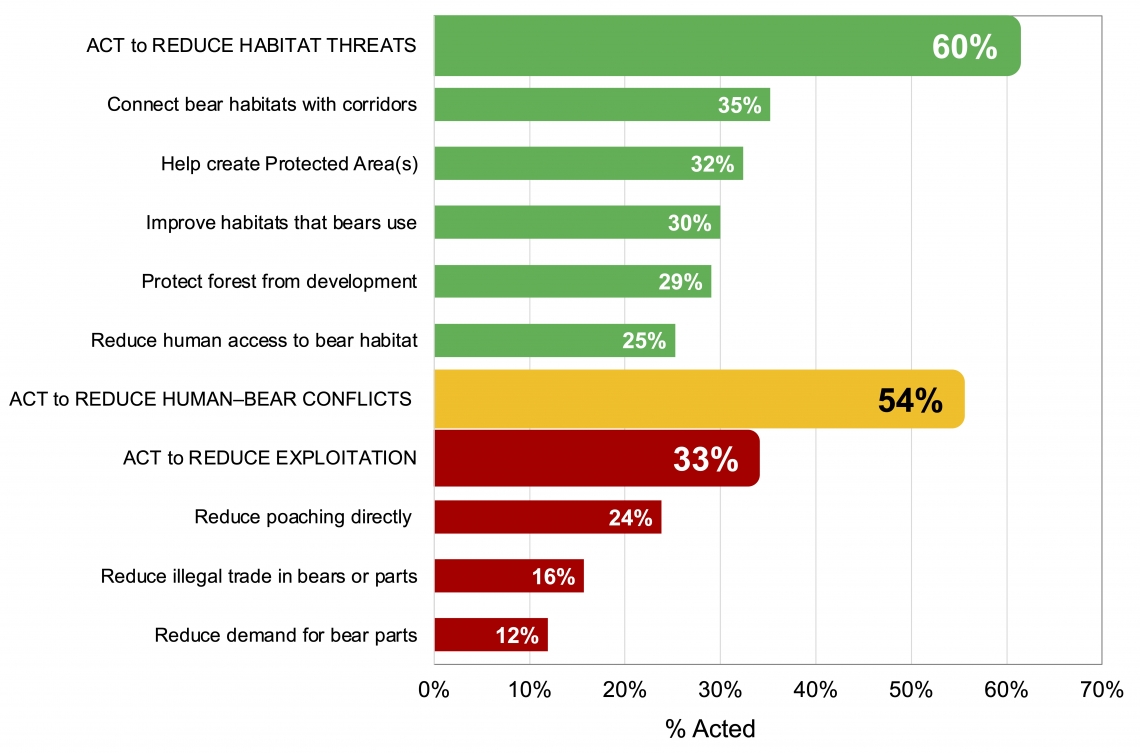
Over 80% of BSG members are involved in direct conservation actions aimed at improving habitat (60%), reducing human–bear conflicts (54%), and/or reducing illegal exploitation (33%).
Like most Specialist Groups, the BSG is primarily a hub for networking and communicating. We share information, ideas and perspectives among members of our group, with the goal that we all gain from the collective experiences and knowledge of the group, enabling members to improve the ways they conduct and prioritize research and conservation. Whereas the BSG as an organization typically does not directly engage in conservation actions, we facilitate the actions conducted by our members, who are actively involvedin reducing threats to bears around the world.
Our purpose is to pursue science-based conservation of bears, which means that we are involved in:
* The BSG provided global Red List assessments of each of the 7 terrestrial bears, as well as population level assessments for brown bears.
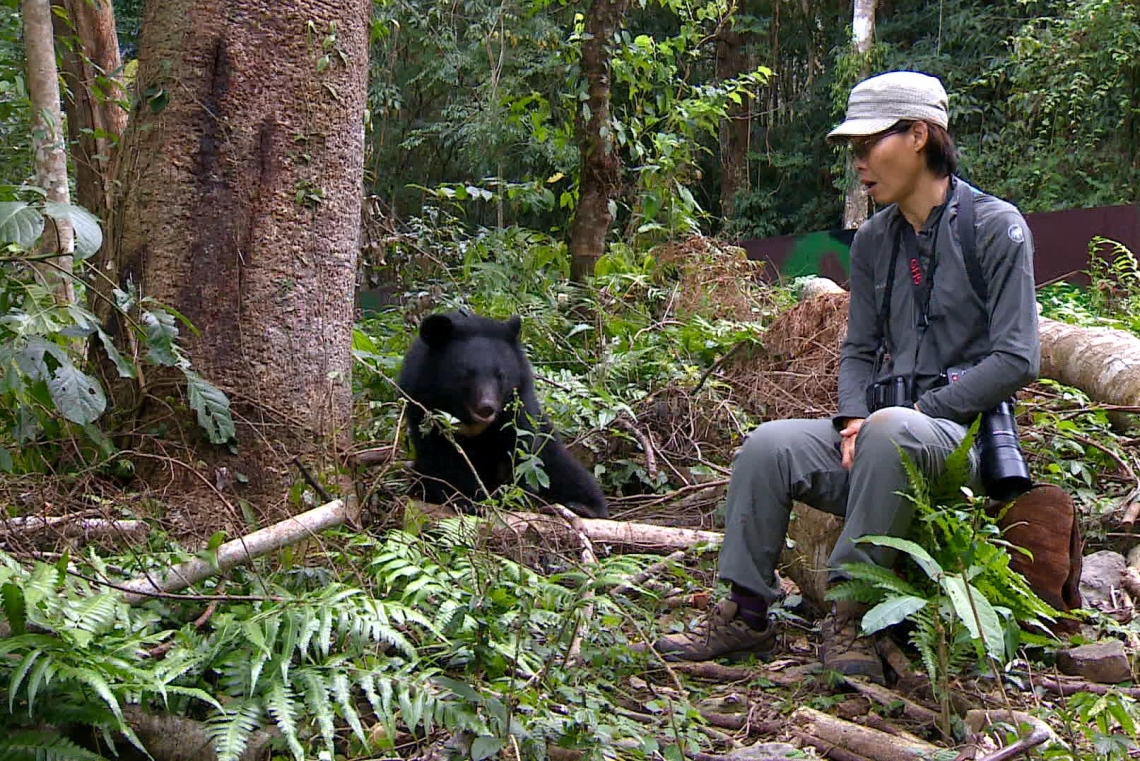
Observing Asiatic black bear being trained for release Taiwan_ M-H Hwang
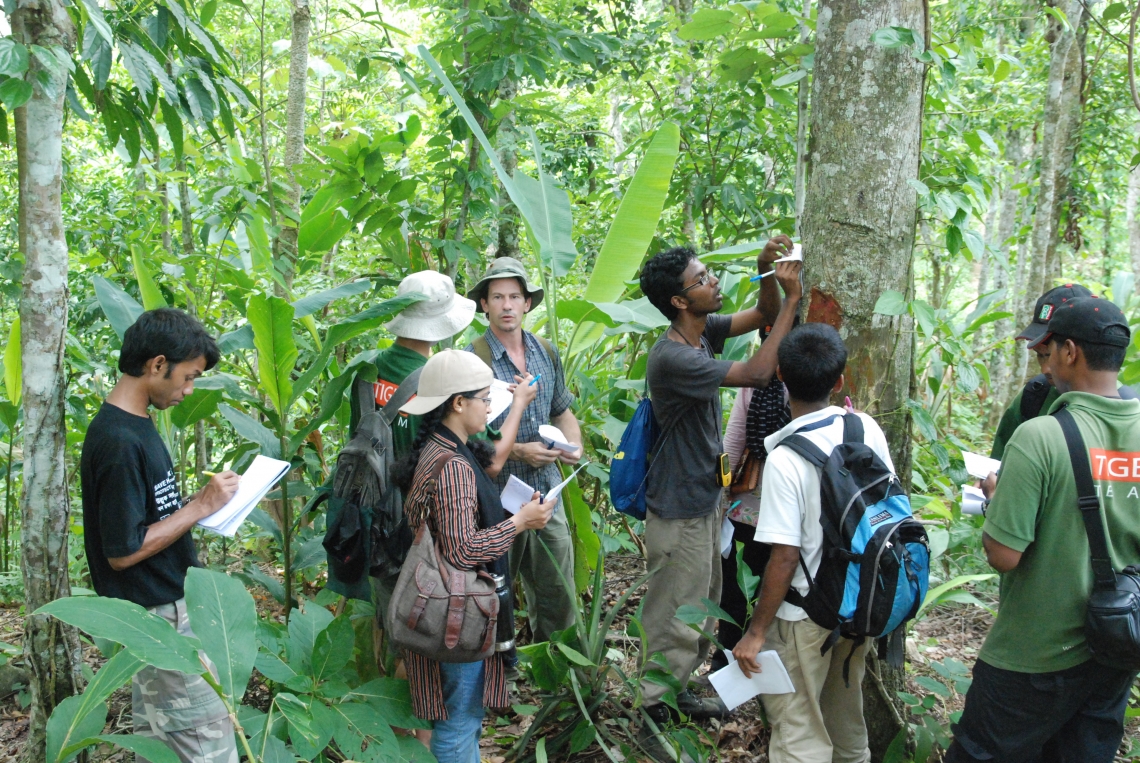
Teaching class to measure bear claw marks Bangladesh_R Steinmetz
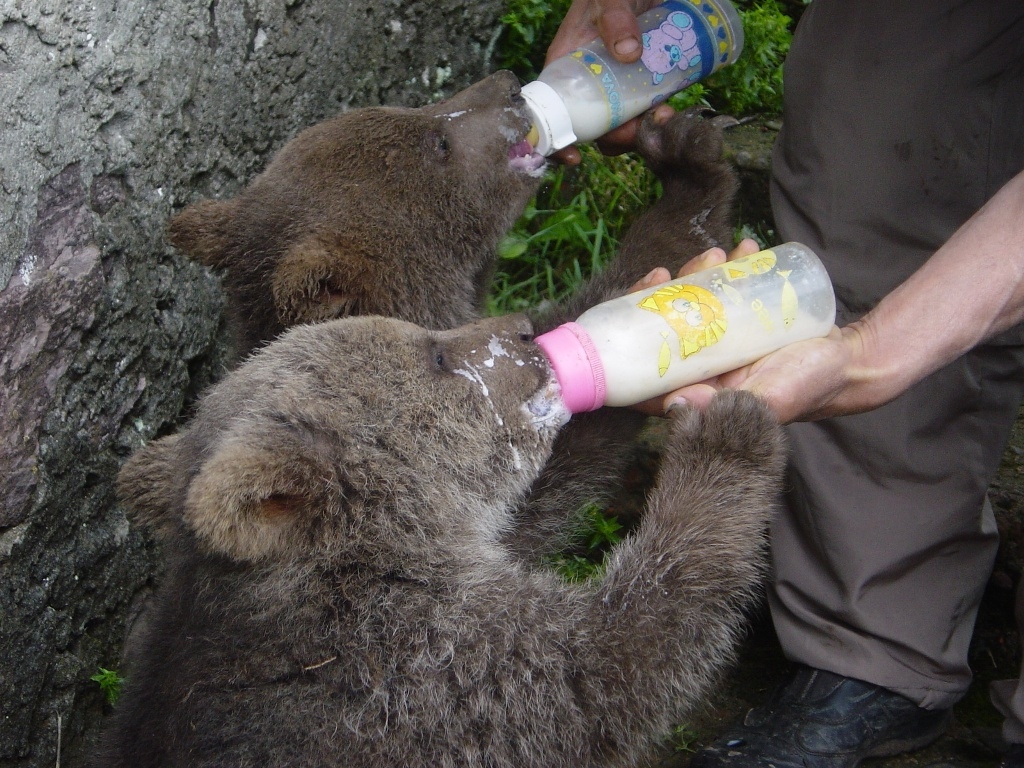
Caring for orphaned brown bear cubs Turkey_O E Can
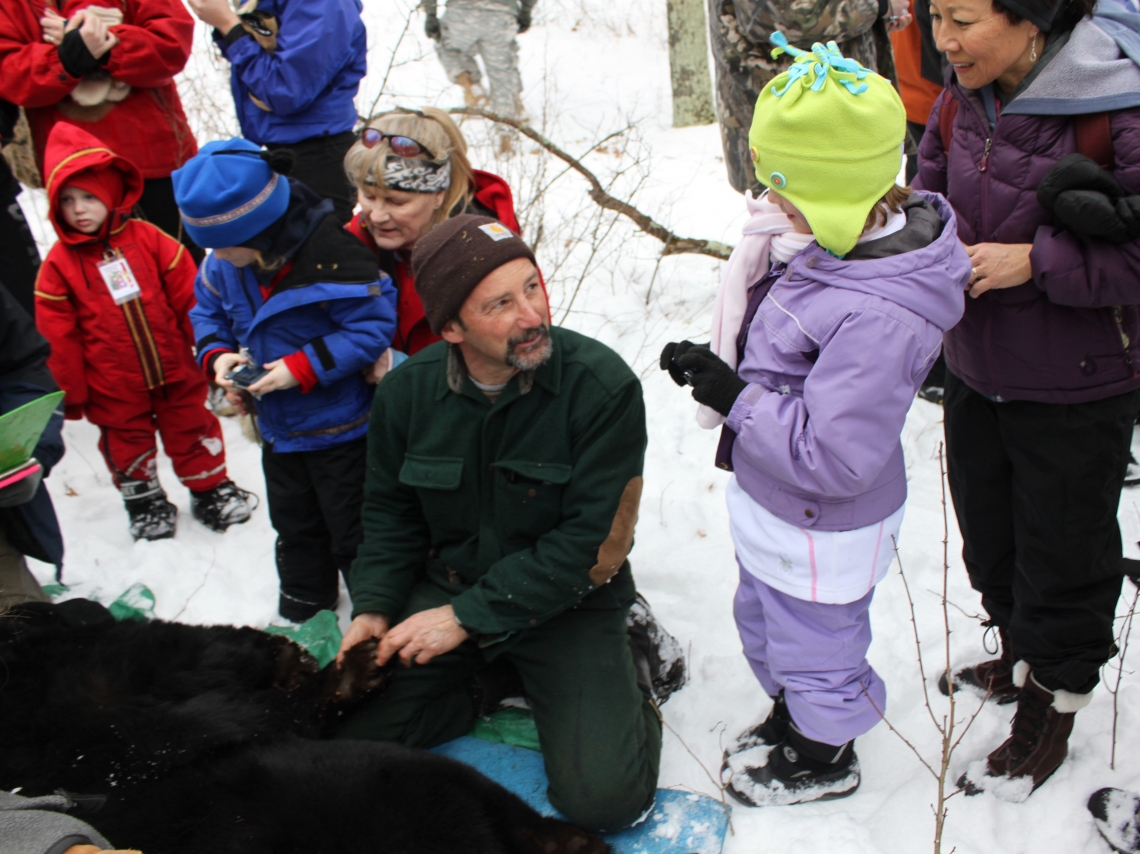
Teaching public about American black bear hibernation Minnesota_D Garshelis
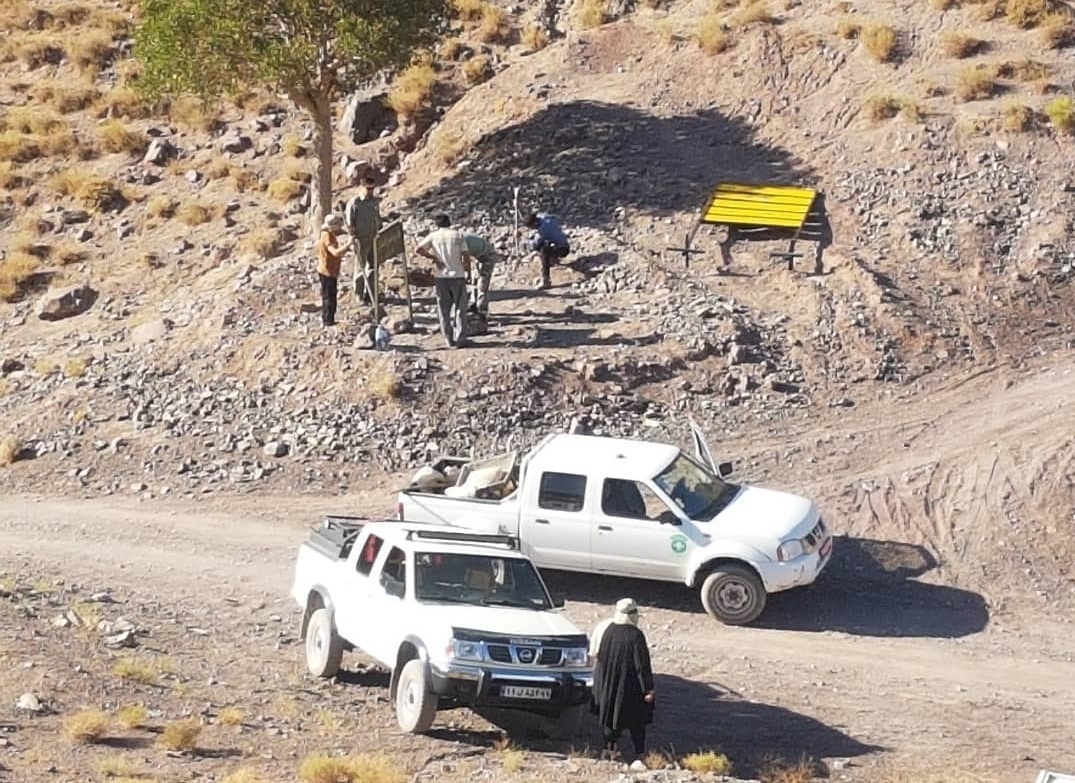
Constructing water hole for Asiatic black bears Iran_N Ahmadi
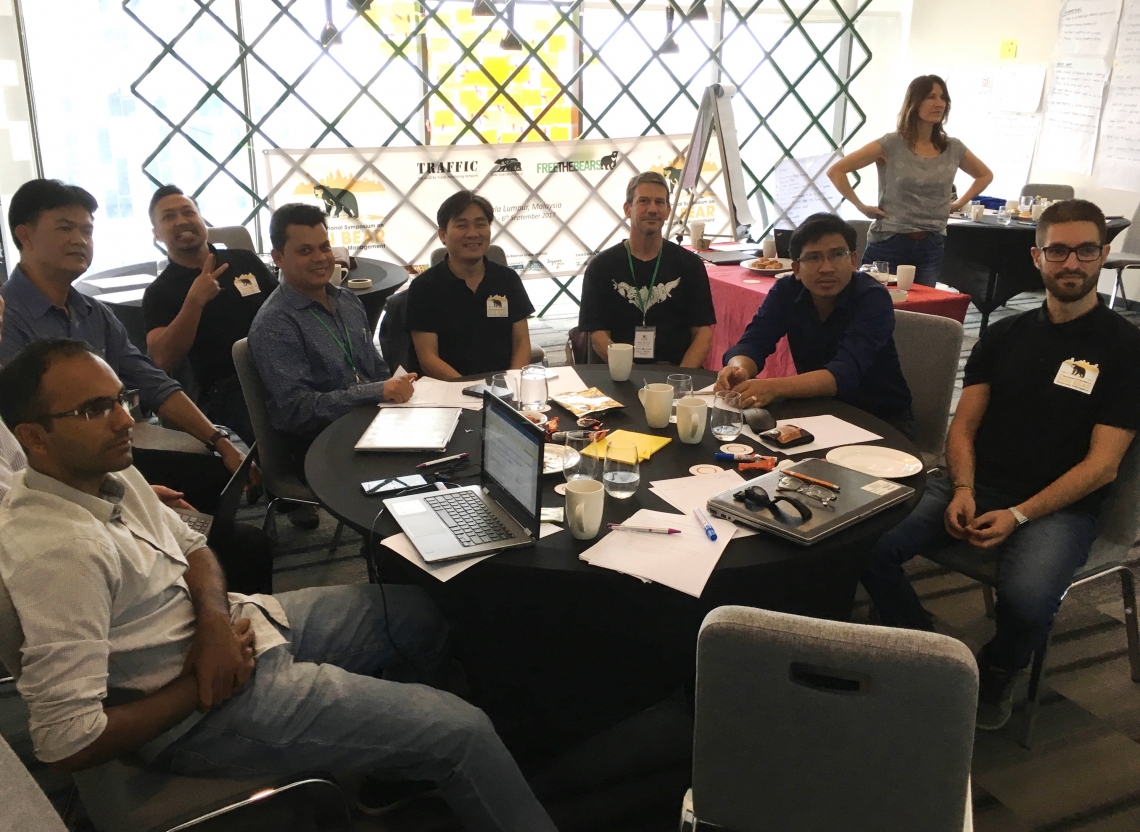
Formulating conservation action plan for sun bears Malaysia_D Garshelis